
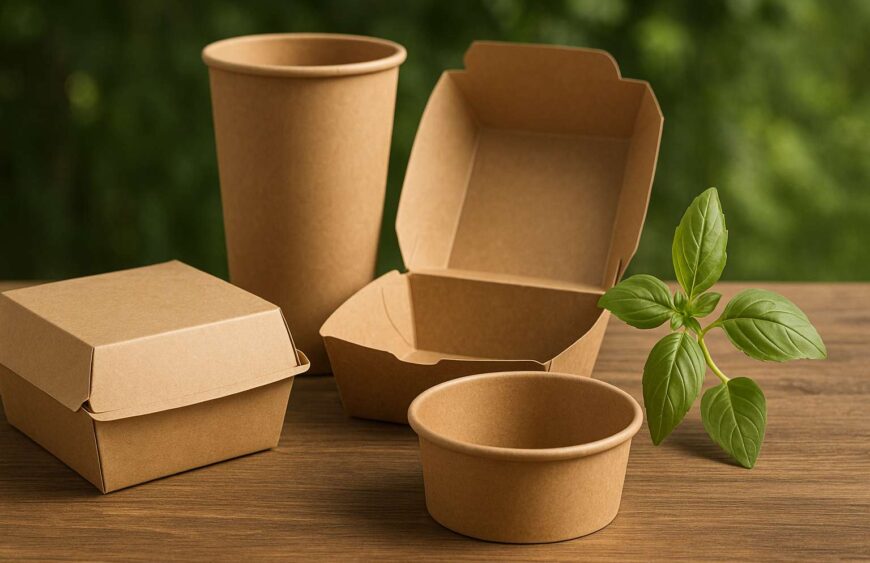
Safe and high-performing paper containers are a cornerstone of today’s food industry, fueling growth in both dine-in and take-out markets worldwide. Food-grade paper containers, including disposable food containers and microwavable paper containers, continue to gain prominence as environmentally conscious alternatives to conventional packaging.
As regulatory agencies increasingly restrict single-use plastics, demand is surging for leak-proof paper bowls and heat-resistant paper packaging driven by fast food, e-commerce, and café brands prioritizing sustainability as well as consumer safety.
Whether used for soups, salads, noodles, or take-out meals, food-grade paper containers are engineered not only for convenience, but also to meet rigorous food safety criteria set out in evolving US and international regulations.
Strict FDA standards ensure that all materials are non-toxic, temperature-tolerant, and safe for direct food contact, providing confidence for both brands and consumers. Selecting the right disposable food containers or microwavable paper containers depends on understanding coatings, heat safety, and robust leak resistance all essential to delivering a safe and enjoyable food experience.
FDA Regulations for Food-Grade Paper Containers
The United States Food and Drug Administration (FDA) establishes clear regulations and safety requirements for food-grade paper containers and disposable food containers intended for direct contact with food.
Any substance that comes into contact with food including paper containers, coatings, adhesives, and inks—is classified as a food contact substance (FCS) and is subject to strict regulation.
The key requirements include:
- Each material or coating used in food-grade paper containers must be authorized by the FDA, typically listed in Title 21 of the Code of Federal Regulations (21 CFR 174-179).
- Manufacturers must ensure no harmful substances migrate from the container into the food, and only approved components with proven safety can be used.
- The FDA focuses on limiting exposure to chemicals such as PFAS and BPA, often banning their use in paper containers for specific applications, especially those intended for children.
By complying with these food safety guidelines, businesses help protect public health and deliver truly safe, compliant food-grade paper containers for an array of applications, including microwavable paper containers, leak-proof paper bowls, and diverse shapes for different cuisines.
Coatings: PE and PLA in Food Containers
To ensure safety, durability, and performance, most food-grade paper containers and disposable food containers rely on specialized coatings. The two most common are polyethylene (PE) and polylactic acid (PLA) each with unique properties and compliance considerations.
- PE coatings create a strong, moisture-resistant barrier, making paper containers suitable for hot, greasy, or liquid foods. PE is widely used for leak-proof paper bowls and is approved by regulatory bodies when applied within specified migration limits.
- PLA coatings offer an eco-friendly, compostable alternative. Derived from renewable resources like corn starch, PLA-coated food-grade paper containers deliver similar leak and grease resistance, ideal for take-out and sustainable food service.
Both types of coatings are applied in a high-speed lamination process that bonds the barrier layer to the paper, ensuring lasting integrity. FDA guidelines ensure only approved barrier materials are used, with strict limits on any migration into food.
This ensures that food-grade paper containers remain compliant, safe, and reliable, whether used as microwavable paper containers, leak-proof paper bowls, or packaging for soups, salads, noodles, and to-go meals.
Microwave Safety and Temperature Tolerance
Microwave-safe paper containers are increasingly important given the convenience demanded by modern consumers and the popularity of take-out and delivery meals. The FDA does not specifically certify containers as “microwavable,” but it regulates the materials and coatings used in food-grade paper containers to ensure they can safely withstand heat exposure without releasing harmful substances.
Materials with PE or PLA coatings are commonly used because they provide strong moisture barriers and moderate heat resistance, making microwavable paper containers practical for reheating foods like soups, noodles, and salads. However, temperature tolerance varies:
- Typical use temperatures for most paper containers range from ambient up to approximately 220°F (104°C) without degradation or leaching risks.
- Containers designed for hotter foods or repeated microwave use often feature reinforced coatings and thicker materials to prevent warping or leaks.
Choosing containers with the correct coating and thickness is essential for maintaining food safety and container integrity during microwave heating, ensuring no compromise in quality for the consumer.
This makes the understanding of microwavable paper containers critical for foodservice businesses aiming to provide convenience without sacrificing compliance. The United States Food and Drug Administration (FDA) establishes clear regulations and safety requirements for food-grade paper containers and disposable food containers intended for direct contact with food.
Any substance that comes into contact with food—including paper containers, coatings, adhesives, and inks—is classified as a food contact substance (FCS) and is subject to strict regulation.
The key requirements include:
- Each material or coating used in food-grade paper containers must be authorized by the FDA, typically listed in Title 21 of the Code of Federal Regulations (21 CFR 174-179).
- Manufacturers must ensure no harmful substances migrate from the container into the food, and only approved components with proven safety can be used.
- The FDA focuses on limiting exposure to chemicals such as PFAS and BPA, often banning their use in paper containers for specific applications, especially those intended for children.
By complying with these food safety guidelines, businesses help protect public health and deliver truly safe, compliant food-grade paper containers for an array of applications, including microwavable paper containers, leak-proof paper bowls, and diverse shapes for different cuisines.
Coatings: PE and PLA in Food Containers
To ensure safety, durability, and performance, most food-grade paper containers and disposable food containers rely on specialized coatings. The two most common are polyethylene (PE) and polylactic acid (PLA) each with unique properties and compliance considerations.
- PE coatings create a strong, moisture-resistant barrier, making paper containers suitable for hot, greasy, or liquid foods. PE is widely used for leak-proof paper bowls and is approved by regulatory bodies when applied within specified migration limits.
- PLA coatings offer an eco-friendly, compostable alternative. Derived from renewable resources like corn starch, PLA-coated food-grade paper containers deliver similar leak and grease resistance, ideal for take-out and sustainable food service.
Both types of coatings are applied in a high-speed lamination process that bonds the barrier layer to the paper, ensuring lasting integrity. FDA guidelines ensure only approved barrier materials are used, with strict limits on any migration into food.
This ensures that food-grade paper containers remain compliant, safe, and reliable, whether used as microwavable paper containers, leak-proof paper bowls, or packaging for soups, salads, noodles, and to-go meals.
Leak Resistance and Structural Integrity
Leak resistance is a fundamental requirement for paper containers designed for handling food, especially for items such as soups, salads, noodles, and take-out meals. Both the choice of base material and the application of coatings like PE and PLA significantly enhance the waterproof and grease-proof qualities of food-grade paper containers and disposable food containers.
- The production process begins by laminating a thin layer of polymer (such as PE or PLA) onto the paper to guarantee water and grease resistance.
- Carefully controlled molding and sealing during manufacturing ensure a tight fit at the seams and the base, which is critical for maintaining leak resistance and strength under pressure or heat.
To ensure quality, manufacturers routinely conduct water leakage tests, where each production batch is randomly checked by filling leak-proof paper bowls with water and examining them for any seepage or structural defects. Only containers passing these rigorous checks reach the end user.
Ultimately, the structure, sealing, and coatings combine to deliver disposable food containers and microwavable paper containers that are trusted to prevent leaks and spills—even with hot or oily foods. This high standard is what sets truly reliable food-grade paper containers apart in foodservice operations.
Selecting the Right Container Shape
Choosing the right shape for food-grade paper containers and disposable food containers is essential for both food quality and customer experience. Different foods require containers designed for their consistency, temperature, and serving size.
- Leak-proof paper bowls are ideal for soups, curries, and noodles, where liquid retention is critical. Their deep, rounded design helps maintain temperature and prevents spills during transport.
- Wide, shallow containers work best for salads, tossed noodles, and entrée meals, offering surface area for easy mixing and eating.
- Microwavable paper containers in standardized sizes provide convenience for reheating while ensuring even heat distribution and food safety.
By matching the right container shape with the food’s texture and portion requirements, food businesses can offer reliable, functional, and safe packaging options. This attention to design and ergonomics also safeguards against leaks while delivering optimum presentation for take-out and dine-in applications. Selecting the Right Container Shape
Choosing the correct shape for food-grade paper containers and disposable food containers directly impacts food quality, appearance, and safety for take-out and delivery. Deep, rounded leak-proof paper bowls are ideal for soups, broths, and noodles because they retain liquid efficiently and help maintain temperature.
Shallow containers work best for salads and tossed noodles, providing easy access for mixing and serving without spillage. For larger entrées or combination meals, broad microwavable paper containers offer convenient reheating and portion control while supporting leak resistance and sturdy handling.
Businesses that match container shapes to their menu items ensure packaging delivers reliable performance and attractive presentation. Whether for dine-in or delivery, careful selection of paper containers maximizes safety and customer satisfaction.
Saattvic: Sustainable & Compliant Food Packaging
Trusted by leading businesses, Saattvic stands out for producing eco-friendly, certified food-grade paper containers and disposable food containers that meet all current FDA and food safety regulations. With options like leak-proof paper bowls and microwavable paper containers featuring PE and PLA coatings, Saattvic guarantees quality, leak resistance, and safety for serving soups, salads, noodles, and take-out meals.
Saattvic’s commitment to innovation and sustainability makes it a smart choice for foodservice brands looking to upgrade their packaging while supporting a cleaner, greener future.
Ready to Upgrade Your Food Packaging?
Discover how Saattvic’s food-grade paper containers combine FDA-approved safety, eco-friendly coatings, and superior leak resistance to elevate your foodservice offerings. Whether you need microwavable paper containers or leak-proof paper bowls for soups, salads, noodles, or take-out meals, Saattvic delivers sustainability without compromise.
Order Your Samples Today and Experience the Difference!